
Interventional Radiology

Ruby Hall Clinic describes its Interventional Radiology department as a pioneering minimally invasive treatment service in Pune, built around advanced imaging guidance and the city’s first Bi-Plane Cath Lab.
The department is presented as an innovation-led unit that combines CT, ultrasound, and DSA guidance to diagnose and treat disease through targeted procedures that often avoid open surgery.
The mirrored source also notes MUHS recognition for fellowship seats in Interventional Radiology, reinforcing the department’s specialist and teaching credentials.
Image-guided treatment that combines precision, smaller incisions, faster recovery, and access to high-end vascular and non-vascular interventions.
Innovation, Precision, And Minimally Invasive Care
Interventional Radiology focuses on targeted procedures performed under imaging guidance, allowing the team to reach tumours, bleeding vessels, blocked ducts, narrowed arteries, thrombosed veins, and painful lesions with far less disruption than conventional surgery.
Ruby Hall Clinic’s page shows the department working across vascular intervention, oncology procedures, hepatobiliary care, dialysis access, neuro intervention, women’s health, pain procedures, and emergency bleeding control.

Why Patients Are Referred To Interventional Radiology
Need for minimally invasive treatment guided by CT, ultrasound, or angiography

Peripheral vascular disease, thrombosis, embolism, or complex access problems

Tumour-directed therapy, biopsy, drainage, or hepatobiliary intervention

Patients who are high-risk for open surgery or need faster recovery
Need for minimally invasive treatment guided by CT, ultrasound, or angiography
Peripheral vascular disease, thrombosis, embolism, or complex access problems
Tumour-directed therapy, biopsy, drainage, or hepatobiliary intervention
Patients who are high-risk for open surgery or need faster recovery
Advantages Of Interventional Radiology

Minimally Invasive Treatment
The page repeatedly highlights small incisions, less pain, reduced scarring, and faster recovery compared with open surgery.
Suitable For High-Risk Surgical Patients
Because many procedures are done with local anaesthesia and short stays, IR becomes especially important for patients who may not tolerate major surgery well.
High-End Imaging And Follow-Up
The source stresses accurate imaging guidance, advanced equipment, and follow-up imaging to confirm treatment success after procedures.
Core Treatments

Image-Guided Diagnosis And Drainage
The team performs image-guided biopsy and drainage procedures using CT or ultrasound to reach lesions, fluid collections, and abscesses safely and accurately.
Vascular And Endovascular Therapy
Angiography, angioplasty, stenting, thrombolysis, thrombectomy, embolisation, and aneurysm repair are used to restore blood flow or control abnormal circulation without open surgery.
Interventional Oncology And Organ-Specific Procedures
The department supports TACE, TARE, ablation, uterine fibroid embolisation, thyroid interventions, hepatobiliary drainage, and multiple cancer-directed procedures for patients needing targeted therapy.
Specialised Condition-Based Treatments

Interventional Radiology offers multiple non-surgical vein treatments designed to improve circulation, reduce symptoms, and limit recovery time.
- Laser ablation
- Radiofrequency ablation
- Sclerotherapy
- Mechanochemical ablation (MOCA)
- Glue embolisation
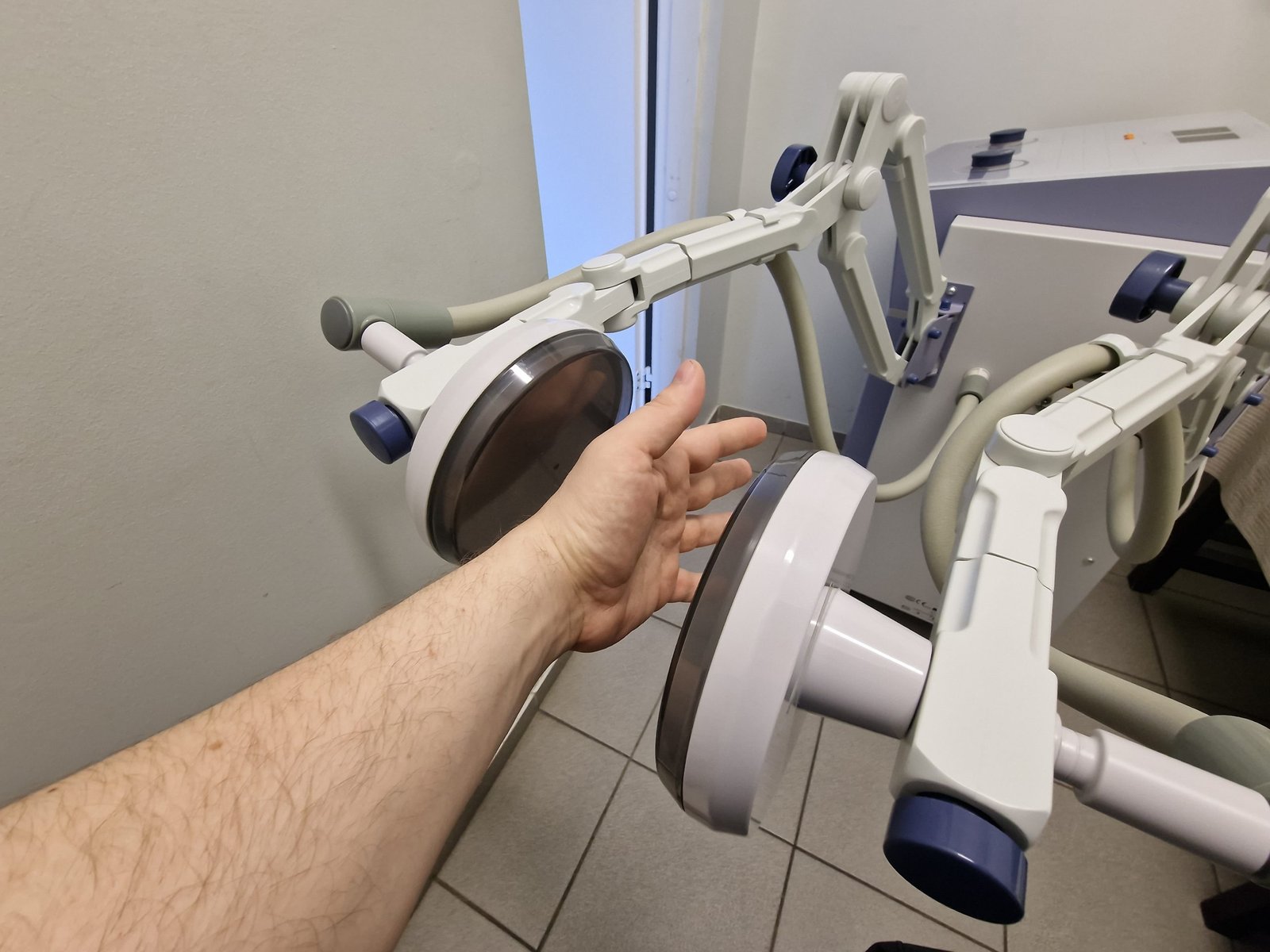
Cancer-directed interventions are performed through needles and catheters to deliver heat, cold, chemotherapy, radiation, or embolic therapy directly to tumours.
- Percutaneous radiofrequency ablation
- Trans-arterial chemoembolisation (TACE)
- Trans-arterial radioembolisation (TARE)
- Microwave ablation and cryoablation
- Irreversible electroporation
- Pre-operative embolisation
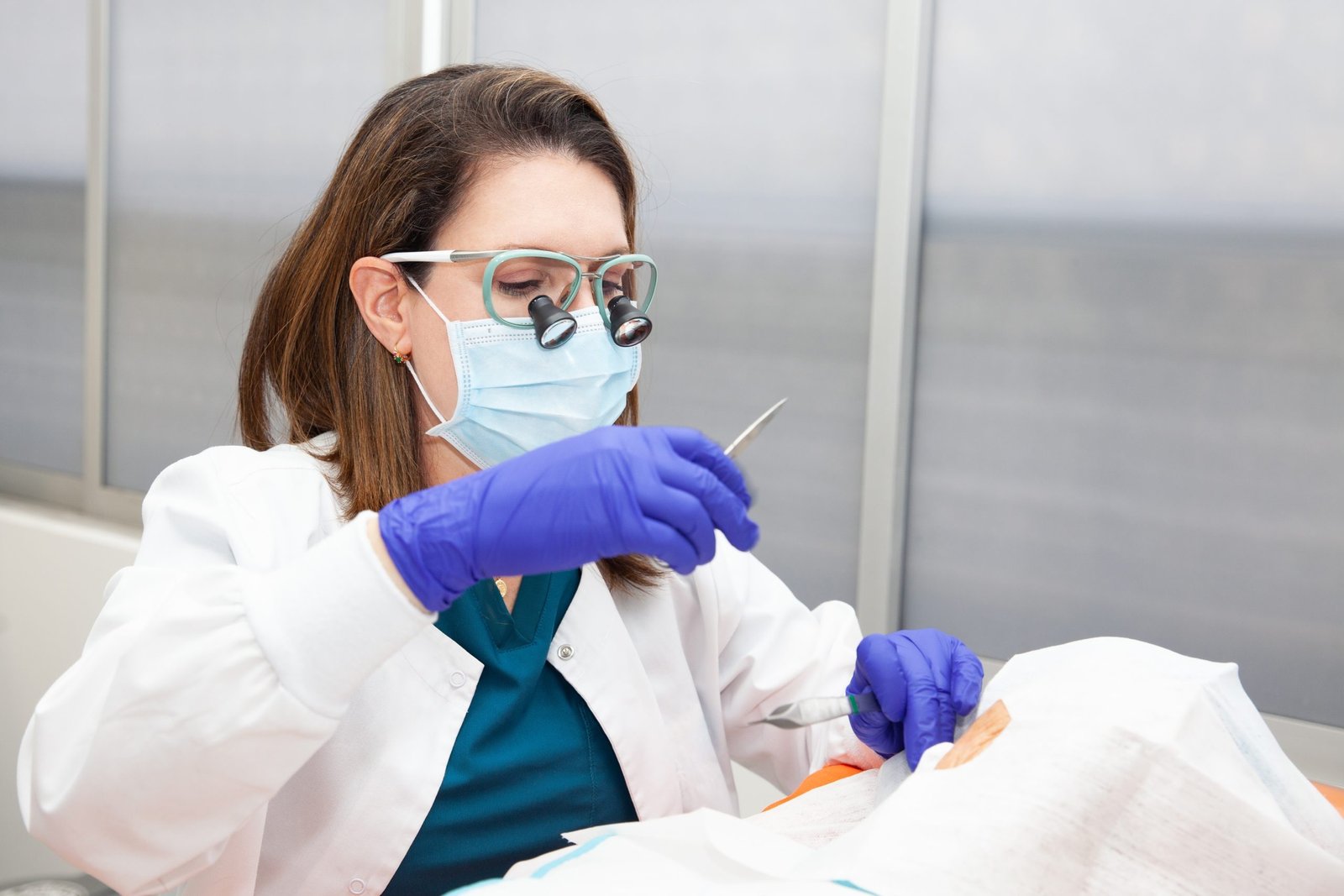
The department supports urinary and hepatobiliary interventions that reduce obstruction, preserve organ function, and offer treatment where surgery may be avoidable.
- TRUS-guided prostate biopsy
- Prostatic artery embolisation for enlarged prostate
- Percutaneous nephrostomy and DJ stenting
- Biliary drainage and stenting
- TIPSS for portal hypertension and Budd Chiari syndrome
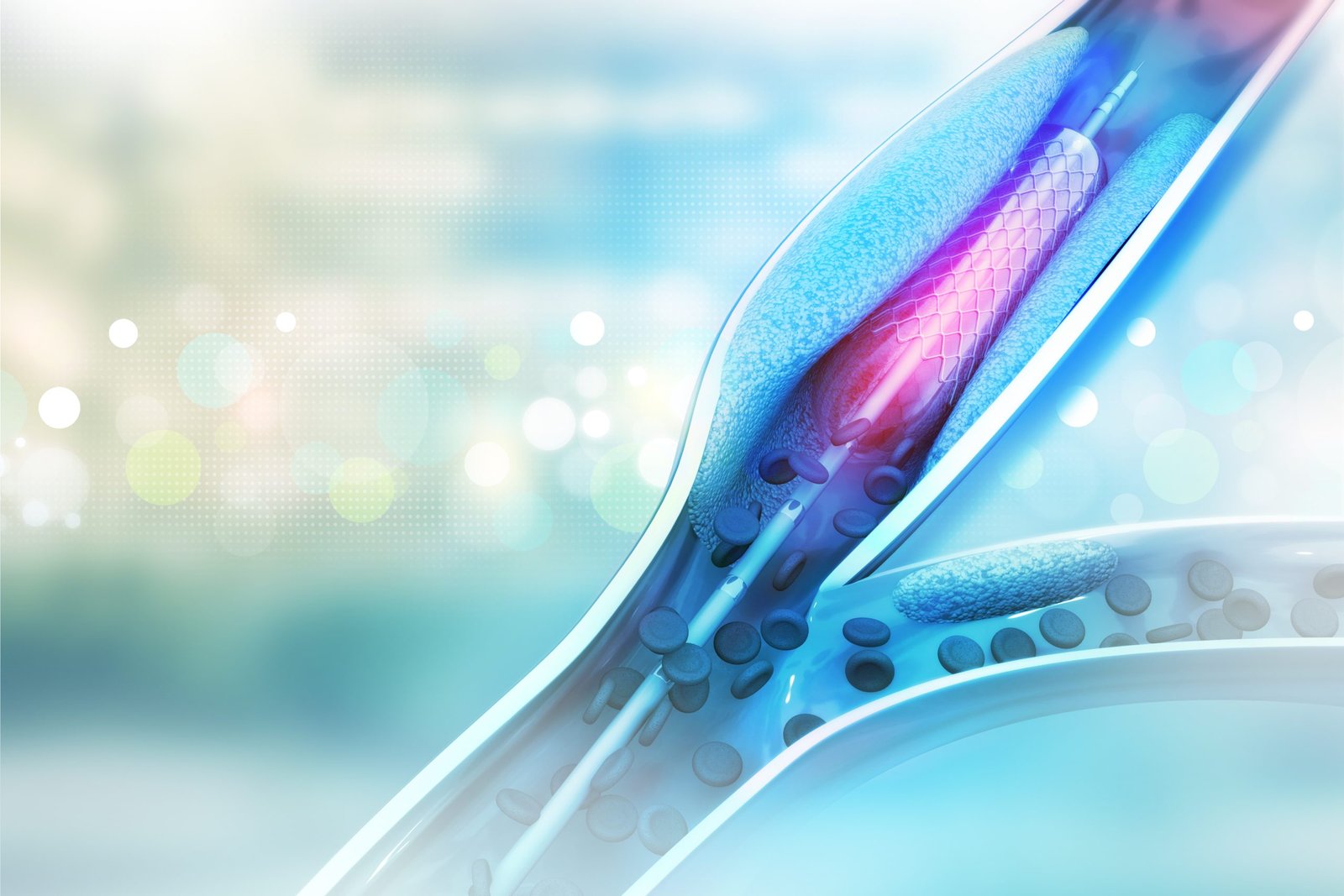
Peripheral artery disease, DVT, pulmonary embolism, dialysis access failure, and related vascular problems are treated through a mix of stenting, thrombolysis, thrombectomy, and catheter-based access procedures.
- Angioplasty and stenting for peripheral artery disease
- Catheter-directed thrombolysis and thrombectomy
- Inferior vena cava filter placement
- Permcath placement and AV fistula salvage
- Central vein angioplasty and stenting
- Peritoneal dialysis catheter placement
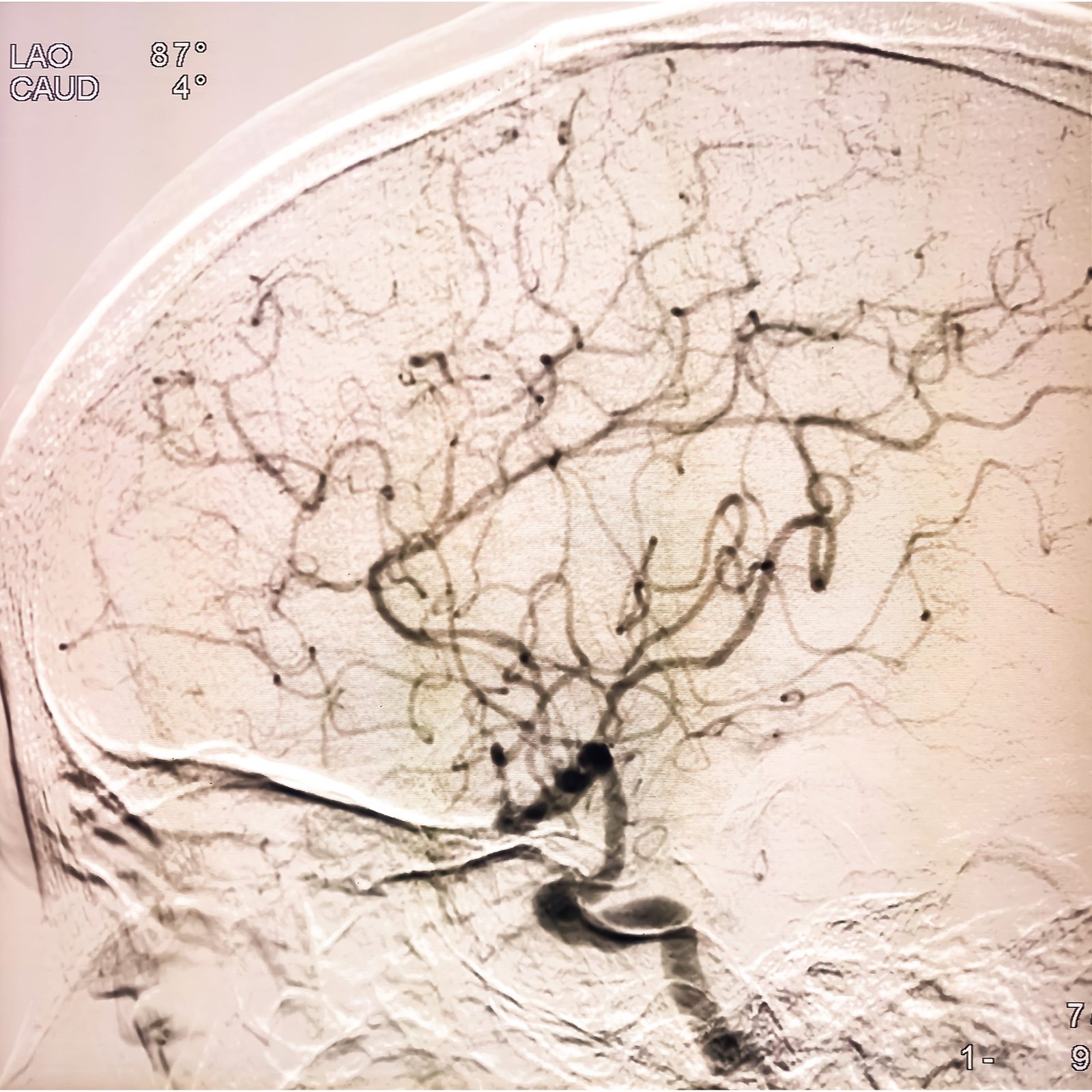
The service extends into neurovascular work, pain procedures, musculoskeletal intervention, infertility-related procedures, and uterine fibroid treatment.
- Brain DSA, stroke intervention, carotid stenting, and embolisation
- Joint aspiration, injections, and nerve root blocks
- Vertebroplasty for osteoporotic compression fractures
- Uterine fibroid embolisation and ablation
- Tubal recanalisation and varicocele embolisation
Interventional Radiology FAQs
What is Interventional Radiology?
It is a specialty that uses CT, ultrasound, DSA, and other imaging methods to guide minimally invasive procedures for diagnosis and treatment, often replacing or reducing the need for open surgery.
What kinds of problems can this department treat?
The department treats vascular disease, bleeding, tumours, thrombosis, hepatobiliary obstruction, uterine fibroids, dialysis access issues, neurovascular conditions, pain syndromes, and image-guided biopsy or drainage needs.
Why might a doctor recommend IR instead of surgery?
The mirrored source emphasises smaller skin entry points, less discomfort, shorter hospital stay, quicker recovery, and the ability to treat very sick or high-risk patients who may not be ideal candidates for open surgery.
Need A Minimally Invasive Alternative To Surgery?
Interventional Radiology can often provide targeted treatment with less pain, shorter recovery, and strong imaging precision for complex vascular, tumour, and organ-based conditions.
Book an AppointmentMeet Our Doctors
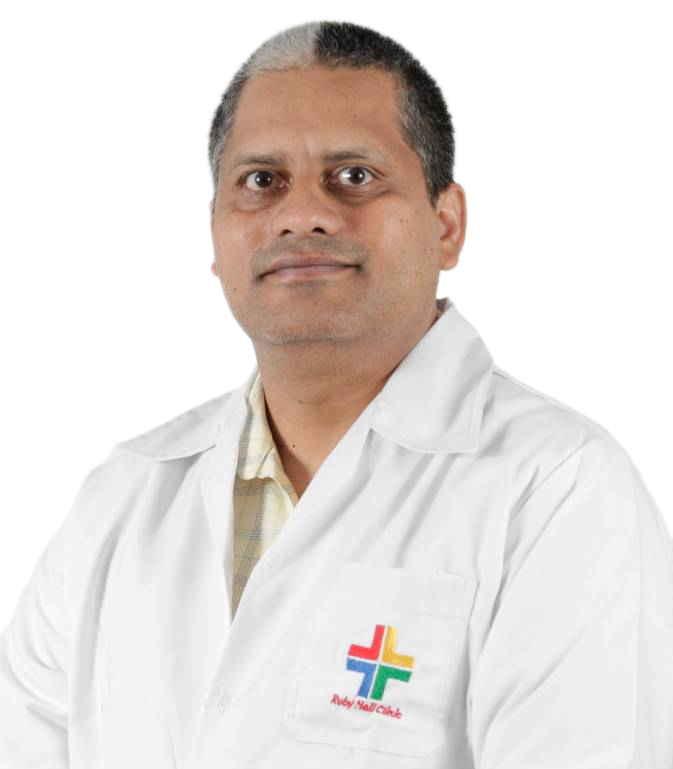
Dr. Yadav Munde
Interventional Radiology
- Mon to Sat (by appt only)
- 9:00am to 2:00pm (by appt only)

Dr. M. K. Mutatkar
Interventional Radiology
- By appointment
- Schedule on request
Dr. Rochan Pant
Interventional Radiology
- By appointment
- Schedule on request
Dr. Gurtej Singh
Interventional Radiology
- By appointment
- Schedule on request